
A USB drive wallet may seem like a simple way to store cryptocurrency yourself: the drive is inexpensive, needs no internet connection and can sit in a drawer for years. But if you plug it into your everyday computer to send funds, the private key enters the very environment you wanted to keep it away …
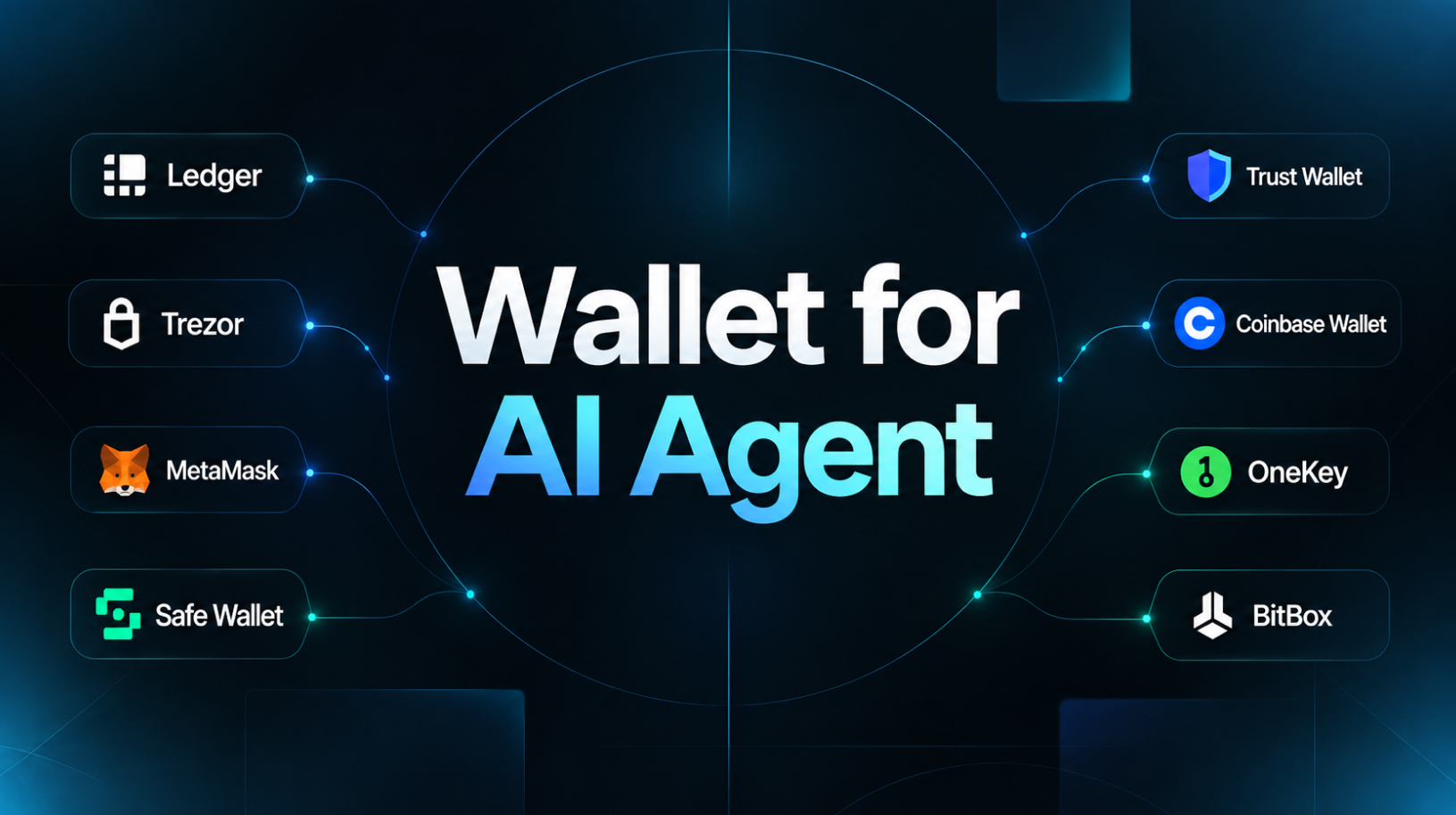
Wallet for an AI Agent: How to Safely Give It Access to Crypto
A wallet for an AI agent lets an autonomous system pay for APIs, execute onchain actions, rebalance positions, and move stablecoins according to predefined rules. But the key question is not whether an agent can hold or move money. It is how much access it should have and what will limit the damage if it …
Fake AML Checkers: How Scammers Drain Crypto Wallets
After a P2P trade, the buyer asks you for an AML report. Or you receive a payment from someone you do not know and see a warning that an exchange may hold “dirty” USDT for additional review. You search for an AML wallet check and land on a site that looks like a normal AML …
Can you trust a transaction simulation in MetaMask?
When a dapp — a website or app connected to your wallet — sends a request to MetaMask, the wallet opens a confirmation screen. A MetaMask transaction simulation can show you, before you sign, how the transaction is expected to change your balance: for example, “+1,240 USDC” and “-0.5 ETH.” It is a prediction based …

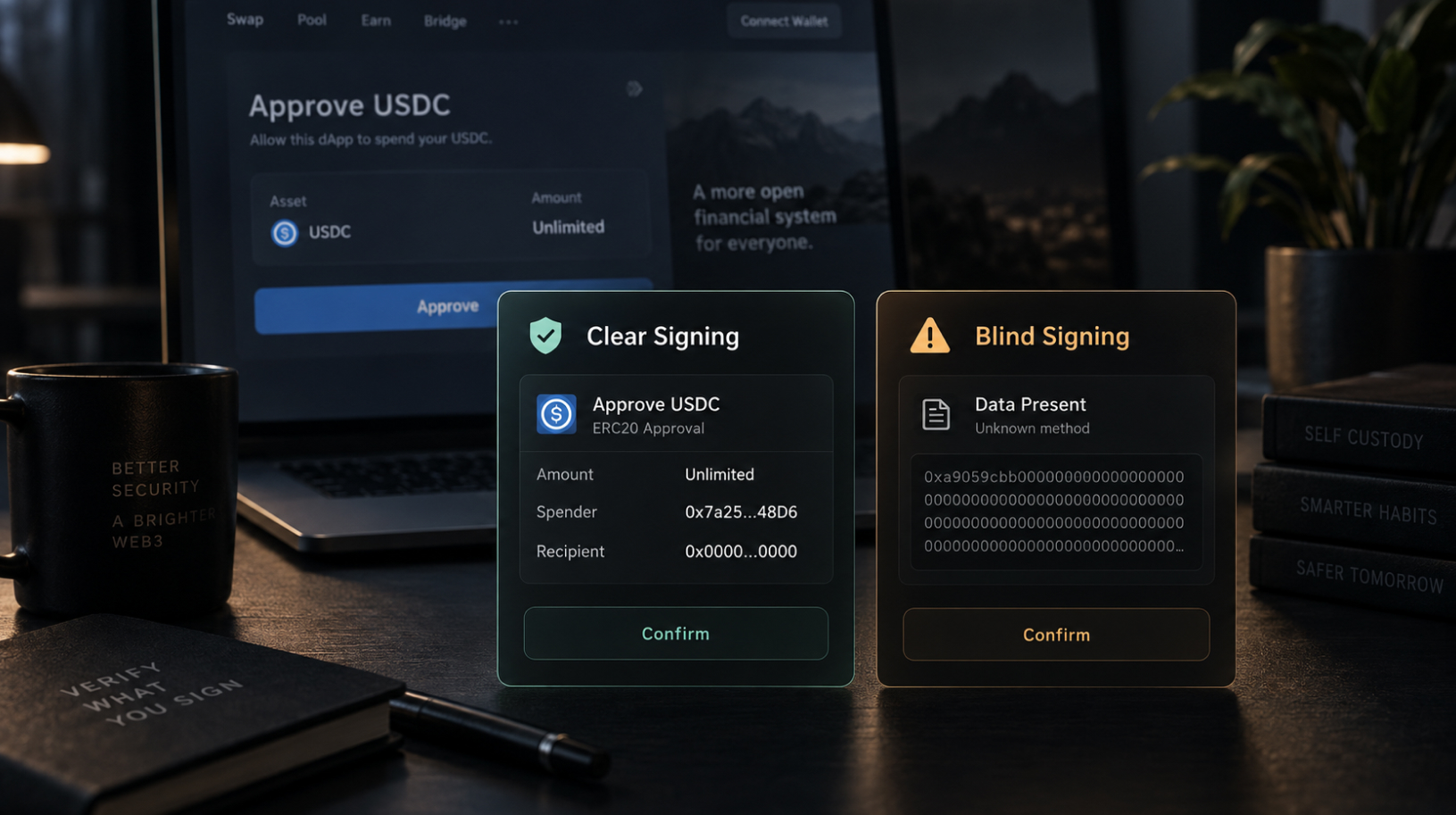
Clear Signing vs Blind Signing: how to know what you’re actually signing
A hardware wallet protects your private key, but that does not mean its screen will always tell you, in plain language, exactly what you are signing. When you use a dApp, the browser may show a familiar action — a transfer, swap, or approve — while the hardware wallet receives the underlying transaction data. If …
Crypto phishing: why an email from a legitimate domain can still be fake
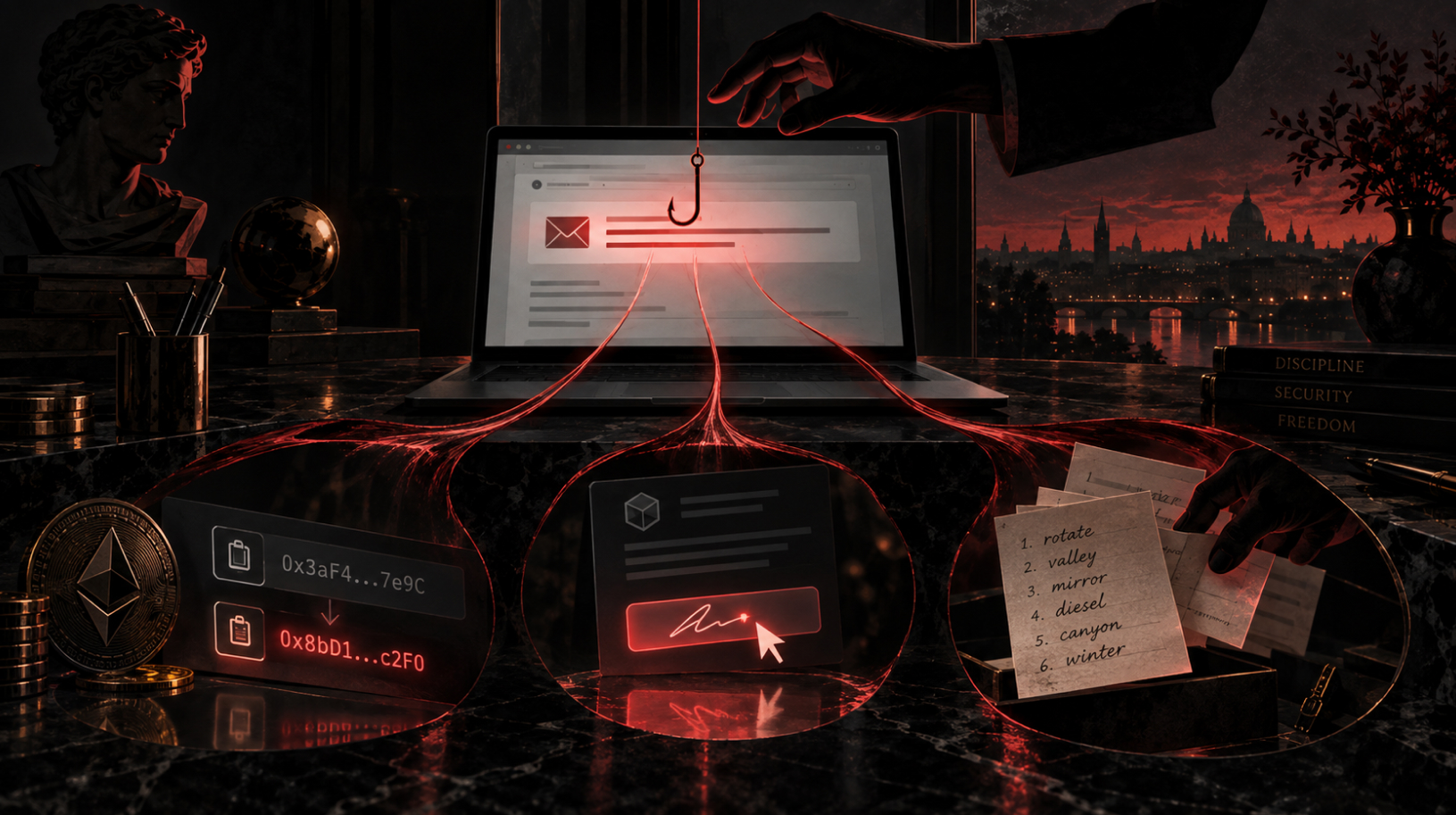
Crypto phishing can start with an email sent from a company’s legitimate domain. On September 9, 2026, 347,149 subscribers to Trezor’s mailing list received an email with the subject line “Critical Security Alert: STM32 Entropy Vulnerability.” It claimed that a microcontroller flaw could cause the wallet to generate predictable backups and urged users to check …
Dirty Crypto: How To Check If Your Funds Are Clean
Dirty crypto refers to funds whose transaction history is linked to illicit or high-risk activity. According to the Chainalysis Crypto Crime Report 2026, illicit cryptocurrency addresses received at least $154 billion in 2025, up 162% from the previous year. Stablecoins accounted for 84% of that volume: criminals use them for many of the same reasons …

Approve, Permit and WalletConnect: How Permissions Can Drain Your Tokens
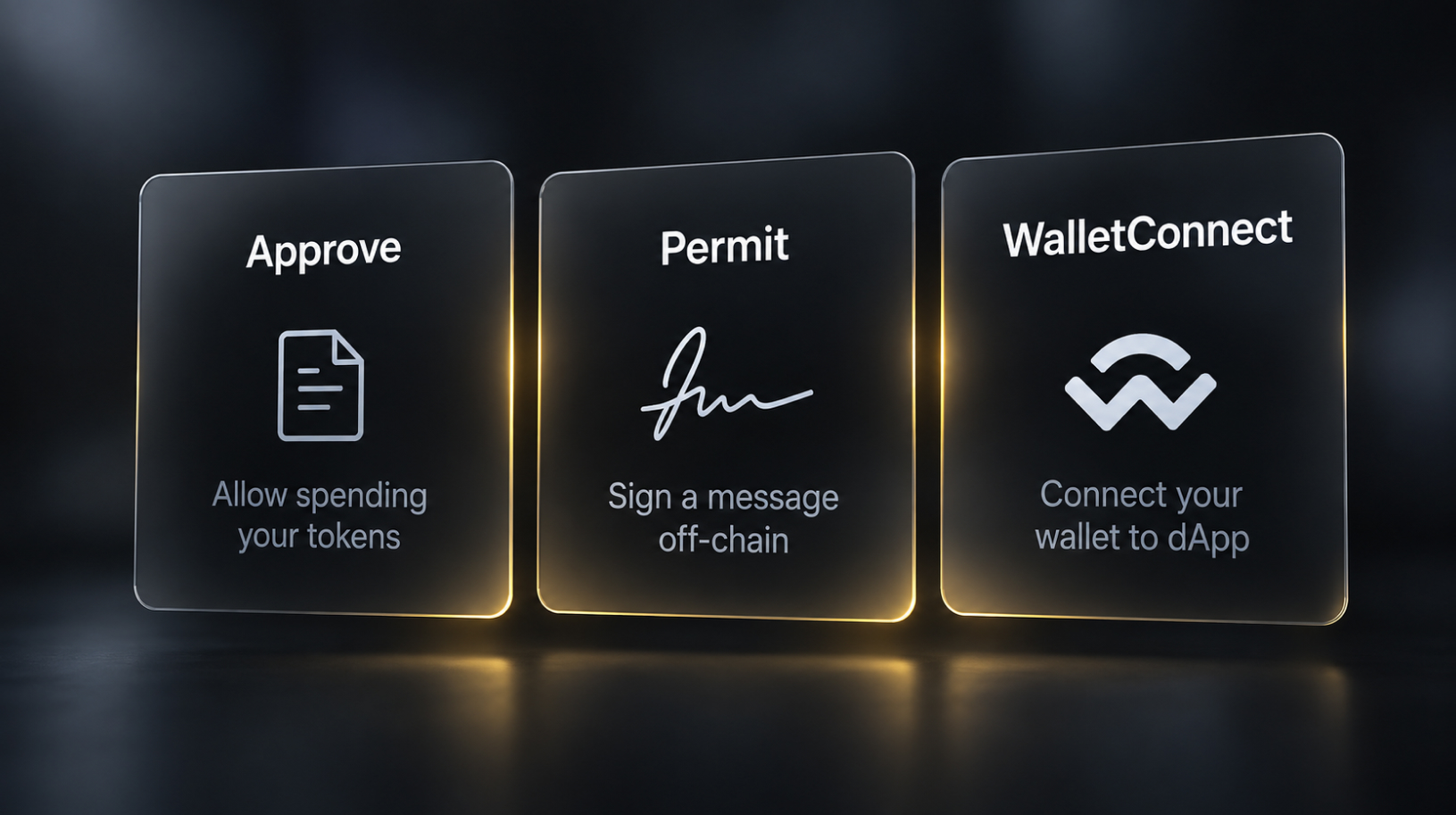
Approve, Permit and WalletConnect are common DeFi mechanisms that can give a contract permission to interact with your assets. Crypto security usually starts with protecting your seed phrase: keep it offline, never enter it on random websites, and never share it with anyone. But that alone is not enough if you approve a permission or …
Що криптобіржі знають про вас і передають правоохоронцям
17 серпня 2026 року Reuters опублікувало матеріал про справу російського ІТ-фахівця Юрія Бєлєнького. Після запиту російського Слідчого комітету Binance передала відомості про його акаунт і перекази, а слідство отримало дані про транзакції, про які раніше не знало. Ознак злому чи витоку бази тут немає: інформацію надала сама криптобіржа у відповідь на запит російських силовиків. На …